Spring Allergies and Your Hearing: Can Seasonal Allergies Affect Your Ears?
March 23, 2026 | News
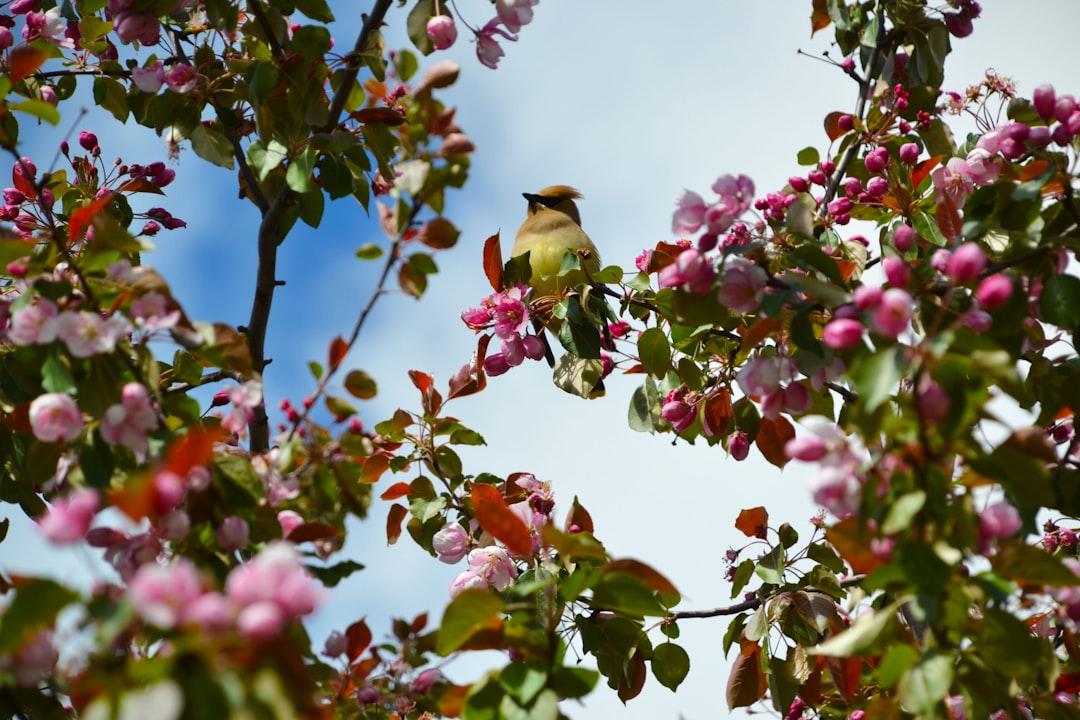
Spring is a welcome change after the long winter months. Warmer weather, blooming flowers, and more time outdoors bring a sense of renewal. But for many people, the arrival of spring also means dealing with seasonal allergies.
Most people expect symptoms like sneezing, runny noses, and itchy eyes. However, what many don’t realize is that spring allergies and hearing issues are often connected. If you’ve ever noticed ear pressure, muffled sounds, or a blocked feeling in your ears during allergy season, you’re not imagining it.
At our clinic, we often speak with patients who are surprised to learn that seasonal allergies can affect your ears and hearing. Understanding why this happens can help you manage symptoms and know when it’s time to seek professional advice.
How Seasonal Allergies Affect Your Ears
Your ears, nose, and throat are closely connected. Inside your ear is a small passage called the Eustachian tube, which connects the middle ear to the back of the nose and throat. This tube plays an important role in maintaining proper air pressure inside the ear and allowing fluid to drain. Under normal conditions, the Eustachian tube opens and closes easily to keep your ears balanced.
During allergy season, however, your immune system reacts to allergens such as pollen, dust, or mold. This reaction releases histamines that cause inflammation and swelling in the nasal passages. When inflammation spreads to the Eustachian tube, it may become partially blocked. This can lead to a range of symptoms often associated with ear pressure allergies, including:
- A feeling of fullness or pressure in the ears
- Muffled or reduced hearing
- Popping or clicking sounds
- A sensation of blocked ears
- Mild dizziness or imbalance
These symptoms are common during allergy season and are usually temporary.
Why Hearing May Sound Muffled During Allergy Season
Many patients worry when they notice changes in their hearing during the spring months. Fortunately, in many cases, seasonal allergies ears symptoms are temporary. When the Eustachian tube becomes blocked due to inflammation, sound waves cannot travel through the middle ear as effectively. This creates the sensation that hearing is muffled or distant.
You might notice this when:
- Watching television
- Talking on the phone
- Having conversations in busy environments
Once allergy inflammation improves and the Eustachian tube begins working normally again, hearing usually returns to its usual clarity.
Temporary Ear Congestion vs. Hearing Loss
It’s important to understand the difference between temporary congestion and true hearing loss. Allergy-related ear pressure typically improves once allergy symptoms are controlled. However, if hearing difficulties continue even after congestion clears, there may be another cause.
Persistent symptoms could be related to:
- Earwax buildup
- Fluid trapped in the middle ear
- Middle ear infections
- Age-related hearing loss
If you experience ongoing hearing difficulties, the team at our clinic can help determine the underlying cause through a comprehensive hearing evaluation. Early assessment can provide reassurance and help prevent potential hearing issues from progressing unnoticed.
Tips for Managing Ear Pressure During Allergy Season
- Limit Exposure to Allergens – Try to stay indoors during peak pollen times and keep windows closed when pollen counts are high. Using air purifiers can also help improve indoor air quality.
- Manage Allergy Symptoms – Over-the-counter antihistamines or nasal sprays may help reduce inflammation in the nasal passages and Eustachian tubes. Always consult a healthcare provider if symptoms are severe or persistent.
- Stay Hydrated – Drinking plenty of water helps thin mucus and supports healthy sinus drainage, which can reduce pressure in the ears.
- Use Gentle Pressure Relief Techniques – Simple actions like swallowing, chewing gum, or yawning can help equalize pressure in the ears and relieve discomfort.
- Monitor Your Hearing Health – If spring allergies and hearing changes seem to last longer than expected, it’s a good idea to schedule a hearing evaluation.
When Should You See a Hearing Professional?
Occasional ear pressure during allergy season is common. However, certain symptoms should not be ignored. You may want to visit a hearing clinic if you experience:
- Hearing difficulties lasting several weeks
- Frequent ear pressure or fullness
- Ringing in the ears (tinnitus)
- Difficulty understanding conversations
A professional hearing test can determine whether symptoms are caused by allergies or another hearing-related condition.
At Ethier Hearing Clinic, our team provides thorough hearing assessments and personalized care to help patients understand their hearing health and explore appropriate solutions.
Spring is full of wonderful sounds—birds singing, children playing outside, and the rustle of leaves in the breeze. While allergies can temporarily interfere with your ears, understanding the connection between spring allergies and hearing can help you manage symptoms with confidence. If your ears feel blocked during allergy season, you’re certainly not alone. Many people experience ear pressure allergies symptoms every spring. But if hearing changes persist or begin to affect your daily life, professional guidance can make all the difference.
So here’s a question to consider: Do your ears ever feel blocked during allergy season?
If the answer is yes, paying attention to your hearing health this spring could help you enjoy the season’s sounds more clearly than ever.