
Swimmer’s Ear and Summer Hearing Protection: A Guide for Northern Ontario Residents
June 11, 2026 | News
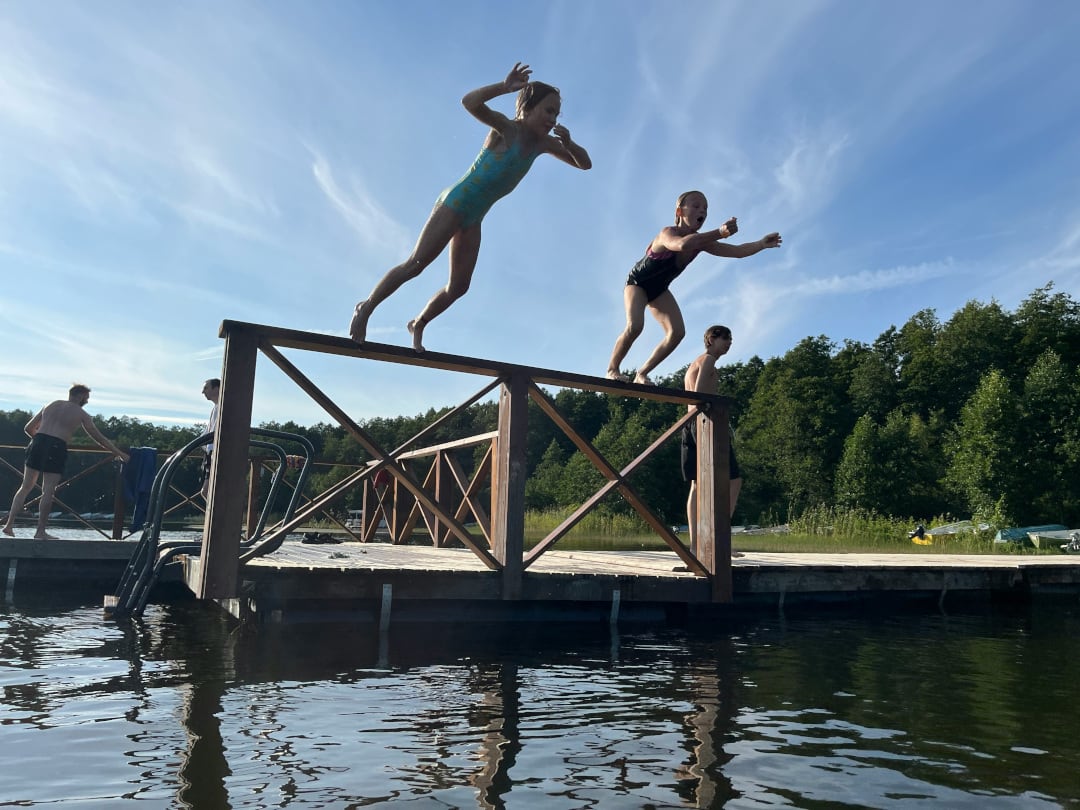
Summer in Northern Ontario is short and well-loved. Lakes, cottages, beaches, and backyard pools become a daily routine for many families across Timmins and the surrounding region. Along with all that time spent in and around the water comes one of the most common summer ear conditions we see at our clinic: swimmer’s ear.
Whether you have children spending their afternoons at the lake, you’re an avid swimmer, or you wear hearing aids and want to enjoy the season with confidence, a little knowledge can go a long way. Understanding what swimmer’s ear is, how to prevent it, and when to seek professional care can help keep your ears healthy all summer long.
What Is Swimmer’s Ear?
Swimmer’s ear, clinically known as otitis externa, is an infection of the outer ear canal. It often develops when water becomes trapped in the ear after swimming or bathing, creating a moist environment where bacteria thrive. Swimmer’s ear, or otitis externa differs from a middle ear infection (otitis media), which develops behind the eardrum, as it affects the external passage leading to the eardrum.
The condition is especially common in summer, when swimming and water activities are at their peak. According to the U.S. Centers for Disease Control and Prevention, swimmer’s ear leads to an estimated 2.4 million healthcare visits each year, with rates peaking in the summer months. While these statistics are based on U.S. data, the seasonal trend is just as relevant in Canada, and Northern Ontario’s lake-heavy lifestyle puts our region squarely in the high-risk window.
Common symptoms include:
- Itching inside the ear canal
- A feeling of fullness or pressure
- Redness and swelling of the outer ear
- Pain that worsens when the earlobe is pulled or when pressure is applied to the tragus (the small flap of cartilage at the front of the ear)
- Drainage of clear fluid or pus from the ear
- Temporary hearing difficulties caused by swelling in the ear canal
How Can You Prevent Swimmer’s Ear?
Most cases of swimmer’s ear can be prevented with a few simple habits. The goal is straightforward: keep water out of the ear canal where possible, and dry the ears thoroughly when water gets in.
The Canadian Paediatric Society and other Canadian health authorities recommend several simple steps:
- Tilt your head to each side after swimming to help any trapped water drain naturally from the ear canal.
- Gently dry the outer ear with a soft towel after swimming or showering
- Use a hair dryer on the lowest heat and fan settings, held at least an arm’s length away, to help evaporate any remaining moisture
- Avoid inserting cotton swabs or any other objects into the ear canal, as they can damage the skin and push debris further into the ear
- Consider custom-fitted swim plugs if you swim frequently or if your child is prone to recurrent ear infections.
- Avoid swimming in water that may be contaminated, particularly after heavy rain when lake bacteria levels can rise
The Case for Custom Swim Plugs
For children and adults who spend a lot of time in the water, custom-fitted swim plugs are the most effective form of prevention.
Unlike one-size-fits-all foam or silicone plugs from the pharmacy, custom plugs are made from an impression of your unique ear canal. This personalized fit creates a secure, watertight seal that remains comfortable during extended wear and stays in place while swimming, diving, or participating in water sports. They’re especially valuable for:
- Children who are prone to recurrent ear infections or have had ear tubes (tympanostomy tubes) placed
- Competitive swimmers, triathletes, lifeguards, and other frequent water enthusiasts
- Adults with sensitive ear canals or a history of swimmer’s ear
- Anyone with a perforated eardrum, where keeping water out is medically important
At Ethier Hearing Clinic, we provide custom swim plugs for both children and adults as part of our custom ear mold services. The process takes one short appointment for the ear impression, with the finished plugs ready shortly after.
When Should You Seek Professional Care for Ear Problems After Swimming?
It’s normal to experience a mild sensation of water in the ear after swimming, and in most cases, it will clear on its own within a few hours. However, you should seek professional care if you experience any of the following:
Persistent ear pain, especially if it worsens when touching the outer ear
- Drainage of fluid or pus from the ear
- A noticeable reduction in hearing that does not resolve quickly
- Fever accompanied by ear pain or discomfort
- Recurring ear infections, particularly in children
- Ringing in the ears (tinnitus), dizziness, or balance problems following water exposure
These symptoms can indicate an infection that requires medical treatment or, in some cases, a more serious underlying condition. According to Health Canada, untreated ear infections can lead to complications including damage to the ear canal and, rarely, longer-term hearing problems. If you’re unsure whether your symptoms require attention, it’s always best to seek a professional assessment rather than relying on self-diagnosis
At Ethier Hearing Clinic, we works closely with the Otolaryngology (ENT) department at Timmins & District Hospital, where our clinic is located. This collaboration helps ensure efficient referrals and coordinated care when medical treatment is required. Our audiologists are registered with CASLPO and are proud members of the Canadian Academy of Audiology.
Frequently Asked Questions
What is swimmer’s ear and how do you get it?
Swimmer’s ear (otitis externa) is an infection or inflammation of the outer ear canal caused when water becomes trapped after swimming, creating a moist environment where bacteria can grow. According to the CDC, it can affect people of all ages, children and frequent swimmers are at greater risk, particularly during the summer months.
How can I prevent swimmer’s ear?
The best way to prevent swimmer’s ear is to keep your ears as dry as possible. After swimming, tilt your head to each side to help water drain naturally and gently dry the outer ear with a towel. Avoid inserting cotton swabs or other objects into the ear, as they can damage the skin and increase the risk of infection.
Are custom swim plugs better than the ones I can buy at the pharmacy?
In many cases, yes. Custom swim plugs are made from an impression of your ear, creating a secure, watertight seal that is both comfortable and reliable. They are far more effective at keeping water out than generic foam or silicone plugs and are especially recommended for frequent swimmers, children with recurrent ear infections, and anyone with a perforated eardrum or ear tubes.
Can I swim with my hearing aids?
No. Most hearing aids are water-resistant, not waterproof, and should be removed before swimming, showering, or any full water immersion. Always check your specific device’s rating with your audiologist, and remove hearing aids before water activities to avoid damage.
When should I see an audiologist or doctor about ear problems after swimming?
You should seek professional care if you experience persistent ear pain, drainage from the ear, reduced hearing, fever accompanied by ear discomfort, recurring infections, or any dizziness or balance issues following water exposure. These symptoms may indicate an infection or another condition that requires treatment.
Are children more at risk of swimmer’s ear?
Yes. Children’s ear canals are often narrower than those of adults, which can make it more difficult for water to drain properly. Children who swim frequently, have had ear tubes placed, or experience recurrent ear infections may be at greater risk. Good ear-drying habits and properly fitted swim plugs can help reduce that risk.
How should I care for my hearing aids during the summer?
Remove your hearing aids before water activities, wipe them down daily to remove sweat and humidity, use a drying kit or dehumidifier overnight during humid weather, and avoid leaving them in hot cars. If devices feel different over the summer, schedule a professional cleaning and check.
References
The following authoritative sources informed this article. We encourage readers to consult them for additional information.